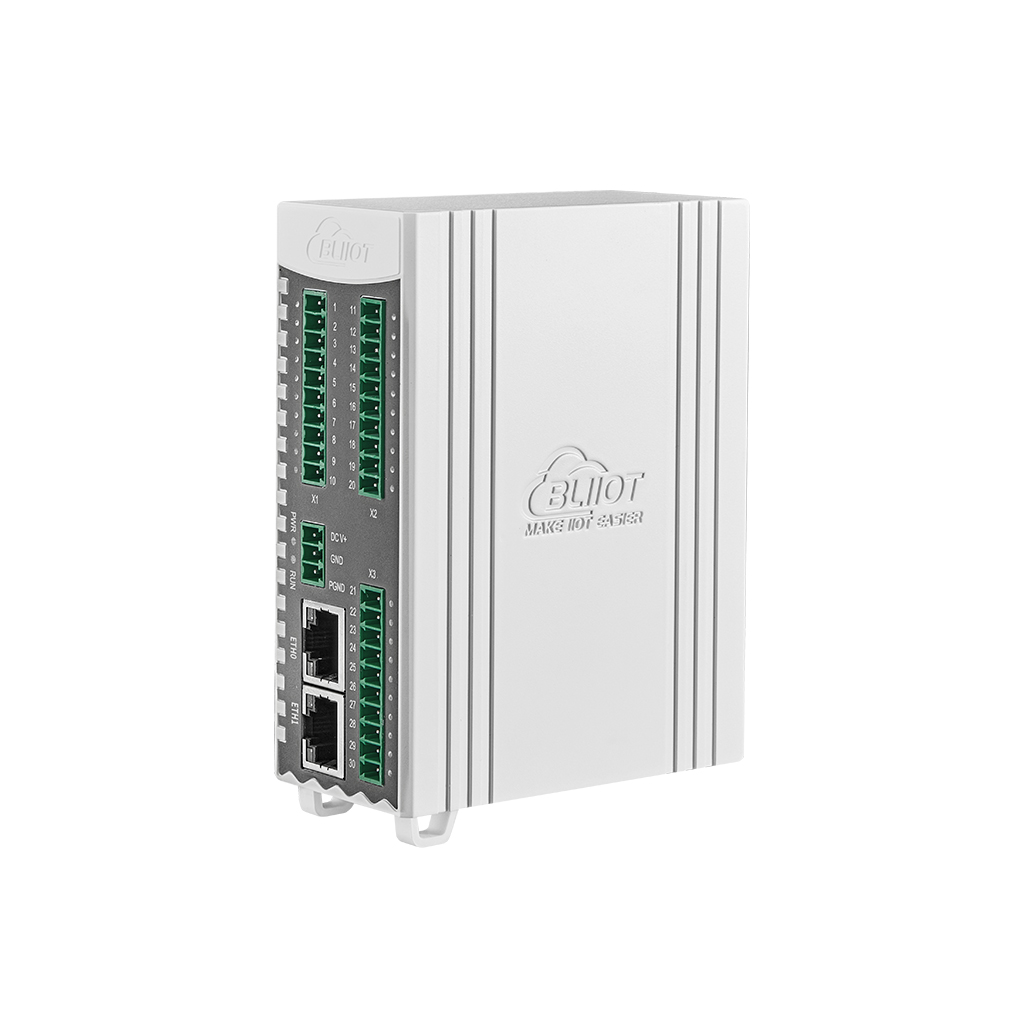
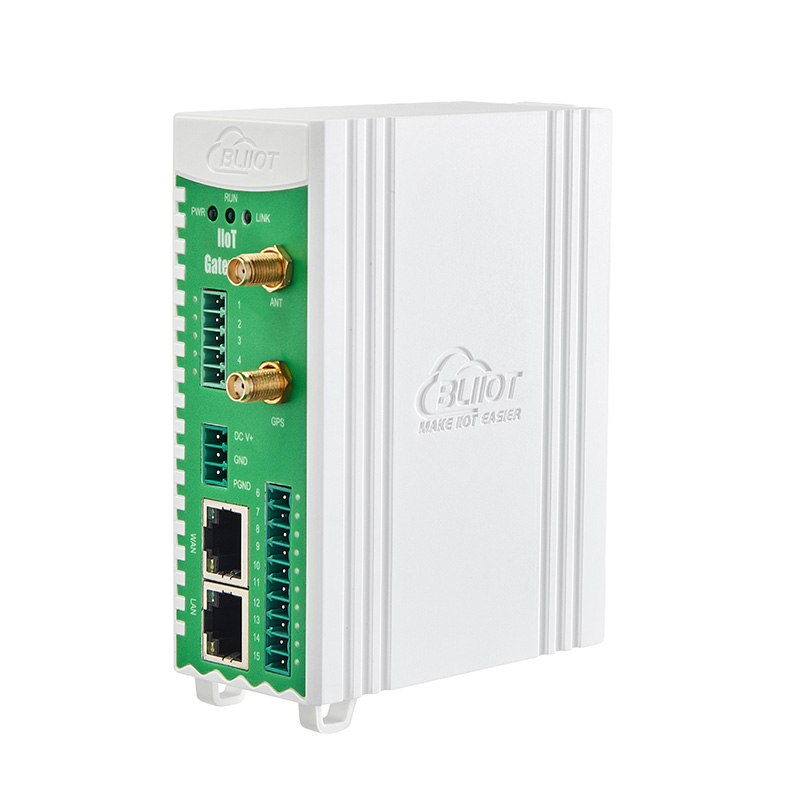
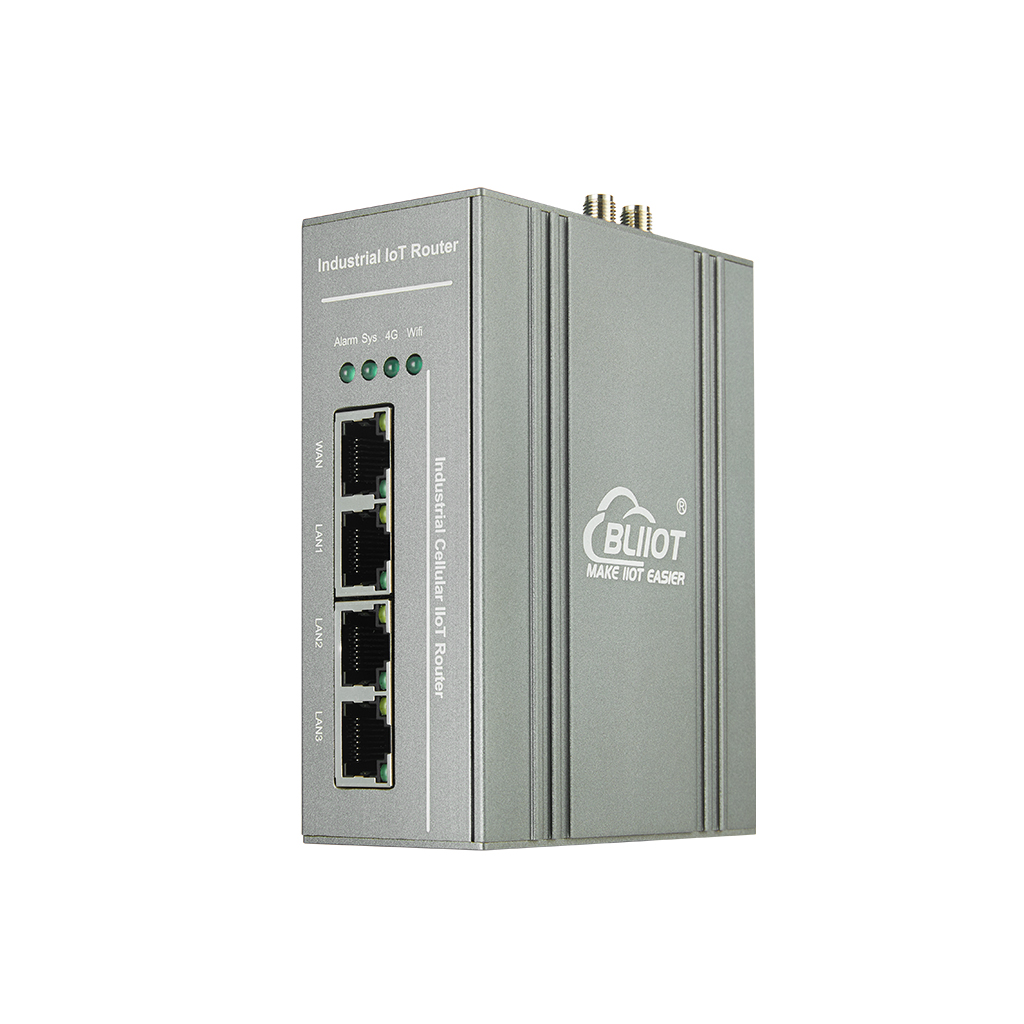
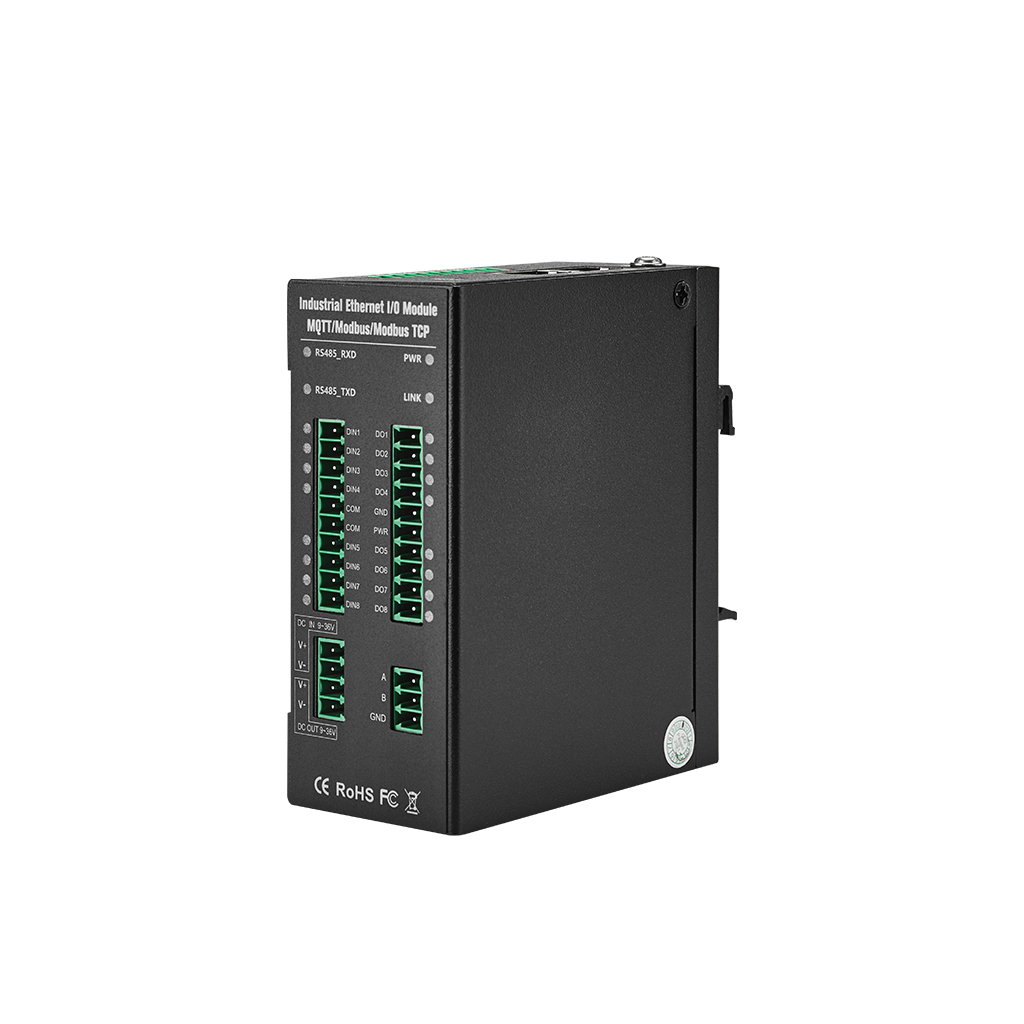
Explore how TPM 2.0 enhances hardware security, device identity, and platform integrity in industrial edge computing. Discover the BLIIOT BL460 with optional TPM 2.0.
Case Details
As industrial edge devices become increasingly connected to enterprise networks, SCADA systems, and cloud platforms, cybersecurity is becoming an important factor in hardware selection.
For many industrial projects, connectivity and computing performance are no longer enough. Device identity, key protection, and platform integrity may also be required during deployment or customer security reviews.
So, is TPM 2.0 simply an optional feature, or is it becoming a requirement for certain industrial applications?
When Hardware Security Becomes a Project Requirement
Security requirements are often overlooked during early PoC development. However, when devices are deployed into customer networks or connected to remote platforms, requirements for authentication, key management, and platform security can become more demanding.
For applications such as energy storage, rail transit, and industrial IIoT gateways, hardware-based security can provide an additional foundation for device identity and cryptographic operations.
What Does TPM 2.0 Bring?
A Trusted Platform Module (TPM) 2.0 is a dedicated security chip designed to support cryptographic operations and protect security-related assets.
It can provide several important capabilities:
-
Hardware-based key protection: Keys can be generated and managed within the TPM, helping reduce exposure of sensitive private keys to the operating system.
-
Device identity: Supports hardware-backed identities for device authentication and lifecycle management.
-
Platform integrity: Platform Configuration Registers (PCRs) can store boot measurements to support platform integrity assessment.
Measured Boot records information about the boot process, while Secure Boot verifies whether boot components are authorized. These are complementary capabilities that require appropriate configuration.
BL460: Industrial Edge Computing with Optional TPM 2.0
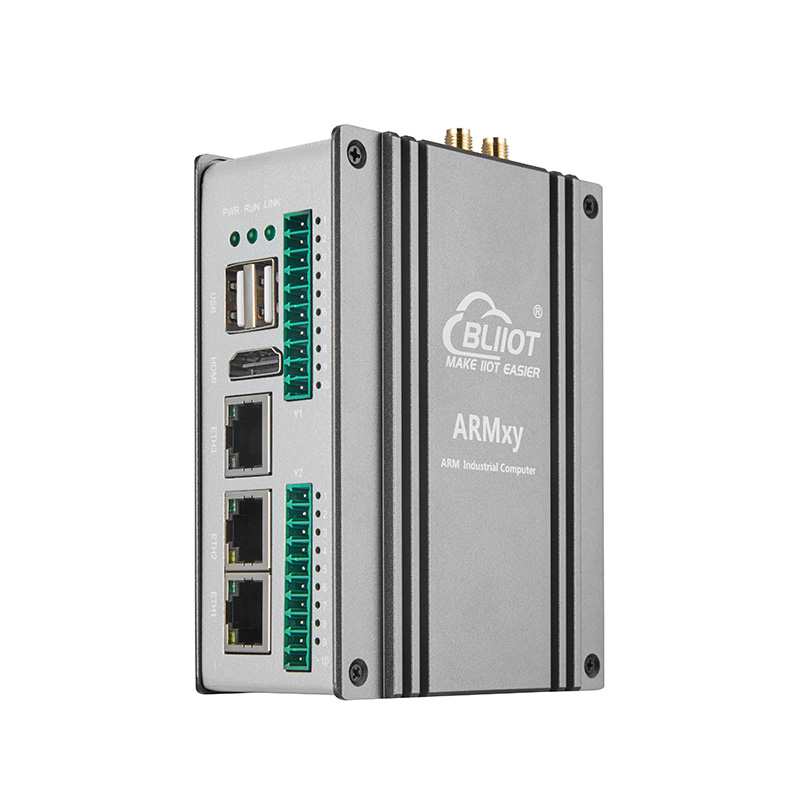
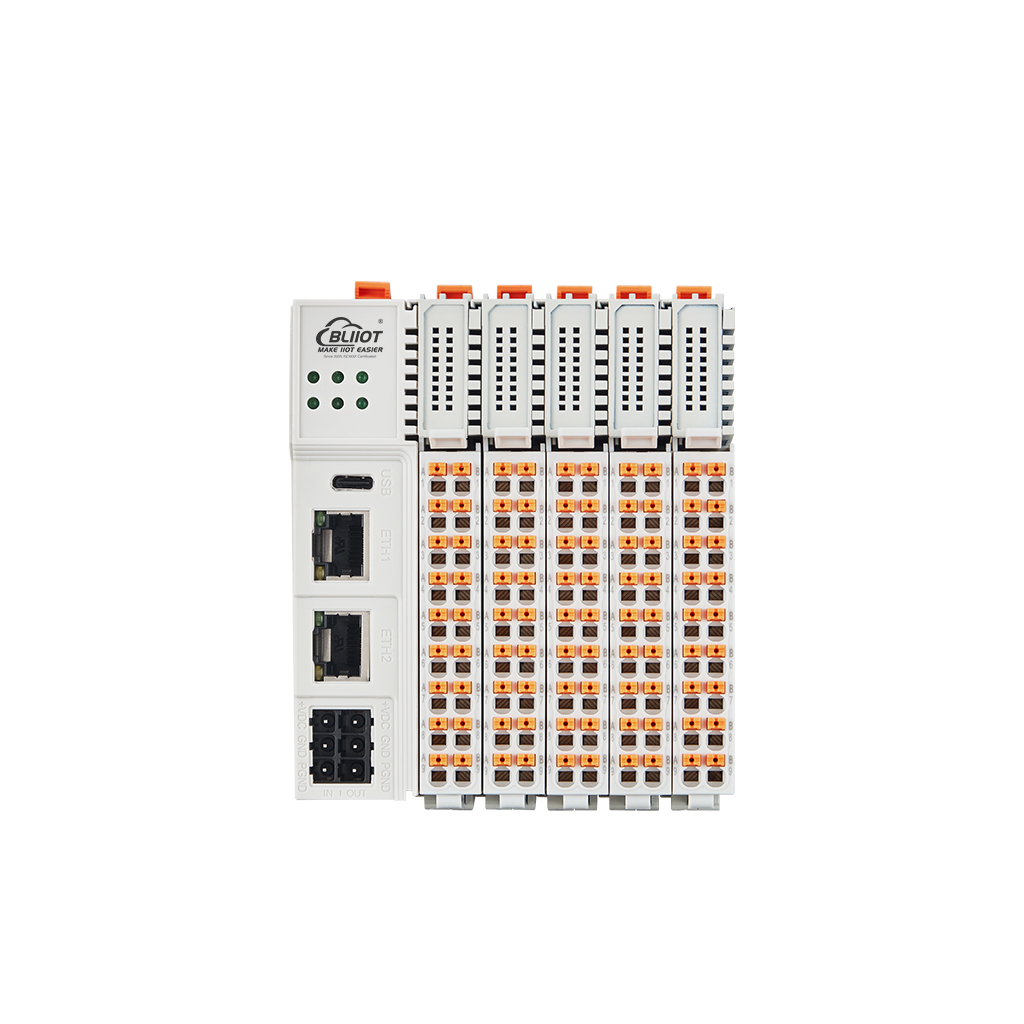
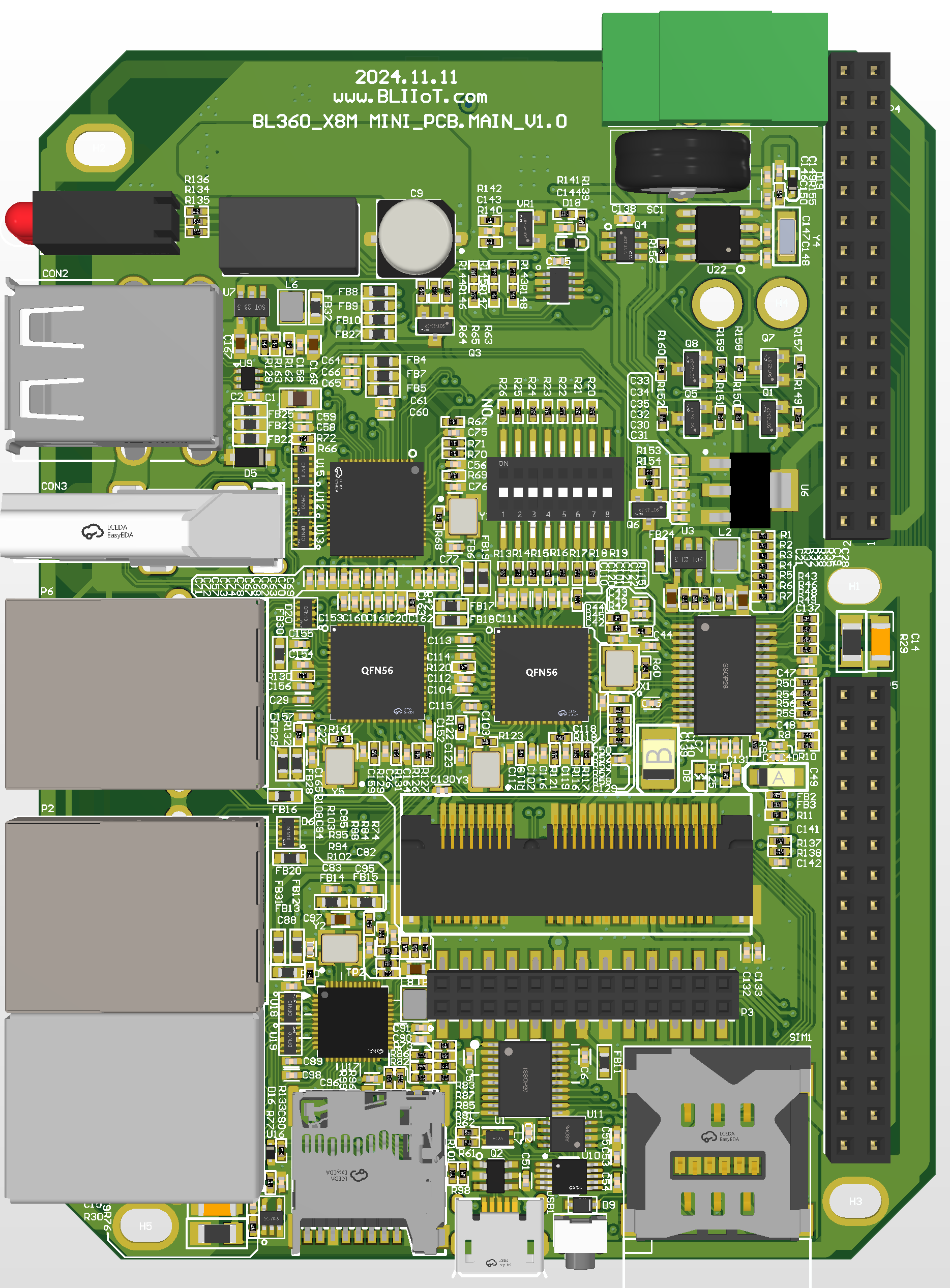
The BLIIOT BL460, based on the Raspberry Pi CM5 platform, is an industrial embedded computer designed for edge computing, industrial control, AIoT gateways, and intelligent equipment.
Key features include:
-
Broadcom BCM2712 quad-core Cortex-A76 processor
-
2GB–16GB LPDDR4X RAM options
-
8GB–64GB eMMC storage options
-
M.2 expansion for NVMe storage or supported AI accelerators
-
Industrial connectivity and flexible expansion
-
Optional TPM 2.0 security chip
For projects requiring hardware-based security, the optional TPM 2.0 provides a foundation for cryptographic key management, device authentication, and security integration.
The BL460 user manual also includes a practical TPM 2.0 demonstration using tpm2-tools, covering key creation, digital signing, and signature verification with RSA and SHA-256. It demonstrates how modified data fails signature verification, providing developers with a starting point for TPM-based security applications.
Where Is TPM 2.0 Worth Considering?
-
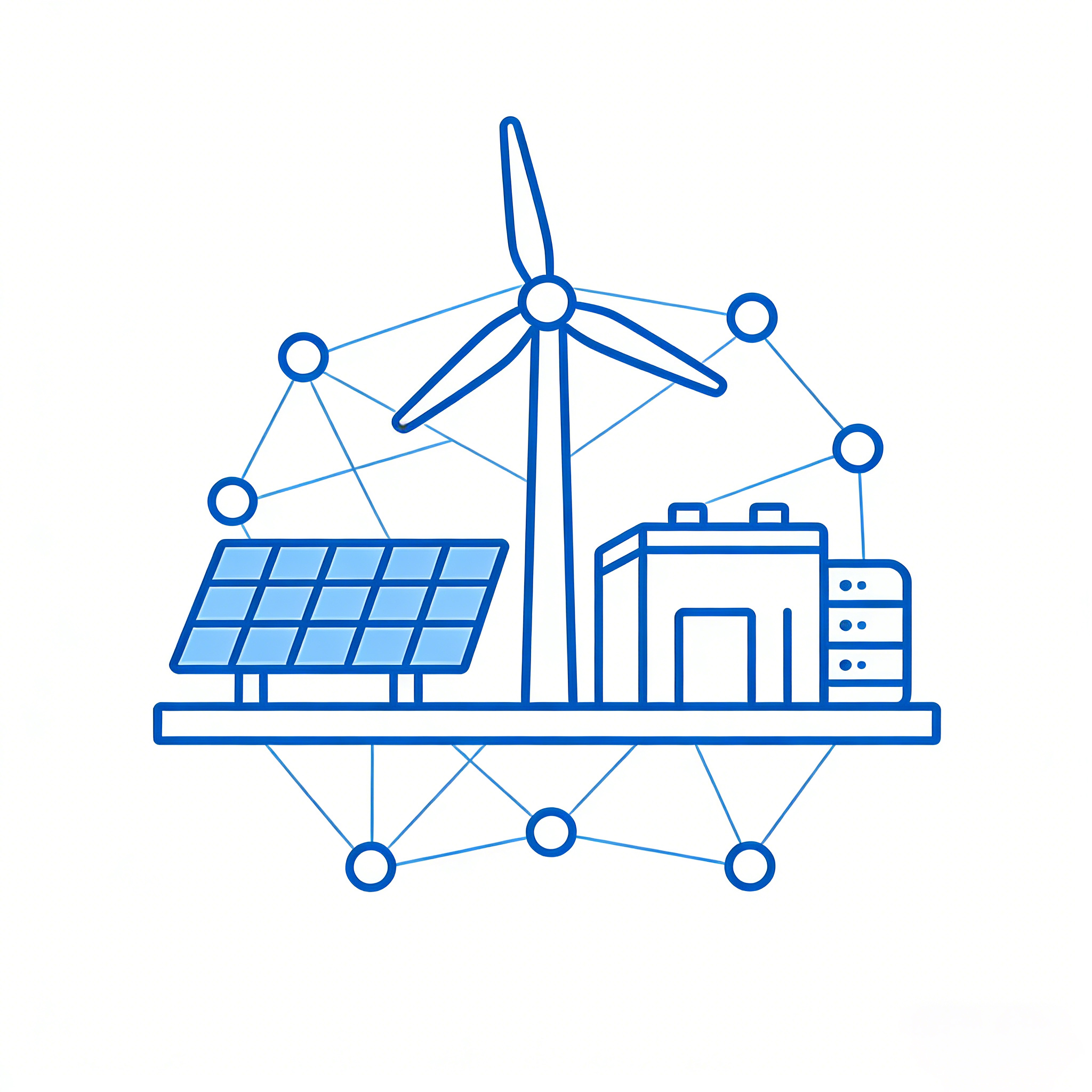
Energy Storage Systems: Secure communication and device authentication between edge gateways, BMS, PCS, and remote platforms.
-
Rail Transit: Hardware security considerations for distributed or onboard edge computing nodes.
-
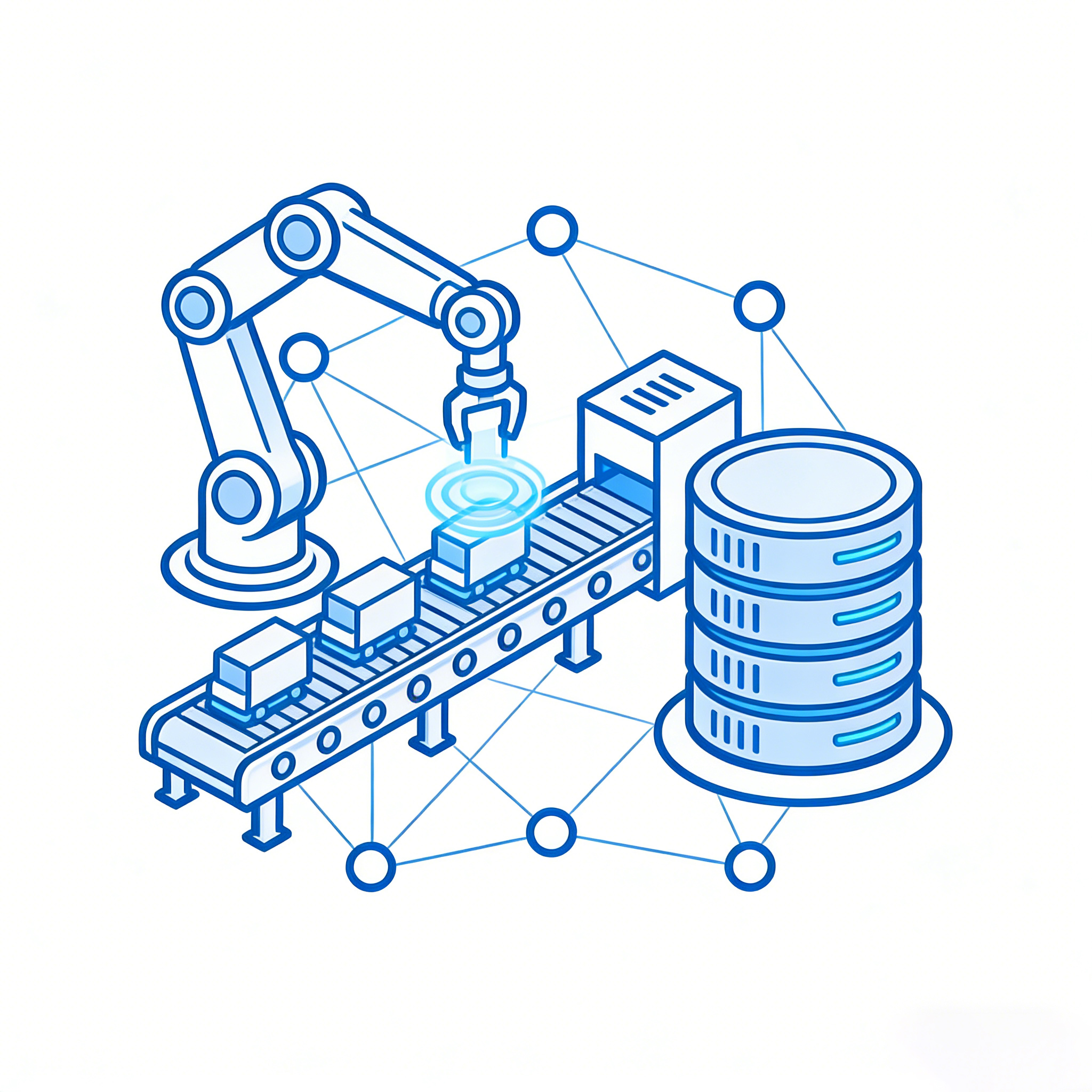
Industrial IIoT Gateways: Device identity and credential management when connecting field equipment to enterprise or cloud networks.
-
OEM Equipment: Hardware configurations designed to meet specific customer cybersecurity requirements.
TPM 2.0 alone does not guarantee system security or regulatory compliance. Its effectiveness depends on integration with the operating system, applications, provisioning, and the overall security architecture.
Plan Security at the Hardware Selection Stage
Security requirements are easier to address when considered early in project development rather than after hardware deployment.
If your project requires hardware-backed key protection, device identity, or TPM-based cryptographic functions, the BLIIOT BL460 offers an optional TPM 2.0 configuration to support your application requirements.
Looking for an industrial edge platform with TPM 2.0?
Contact BLIIOT to discuss your project and evaluate the BL460 configuration.